.png)
His practice brought together movement, text, sound, and scenography in pieces that explored, in a direct way, human behaviors and experiences.
Philippine “Pina” Bausch emerged as a unique voice in contemporary dance starting in the 1970s, when she took over the direction of Tanztheater Wuppertal in Germany and began to articulate a way of creating that left behind the traditional separation between dance and theater.
A graduate of the Folkwang Hochschule in Essen and studying at the Juilliard School in New York, Bausch did not limit herself to conventional technique or choreography. His practice brought together movement, text, sound, and scenography in pieces that explored, in a direct way, human behaviors and experiences. This intersection of disciplines ended up giving the expression its name Tanztheater, or dance-theater, a field in which actors-dancers engage physically and emotionally on stage, often reinterpreting everyday gestures and relationships.
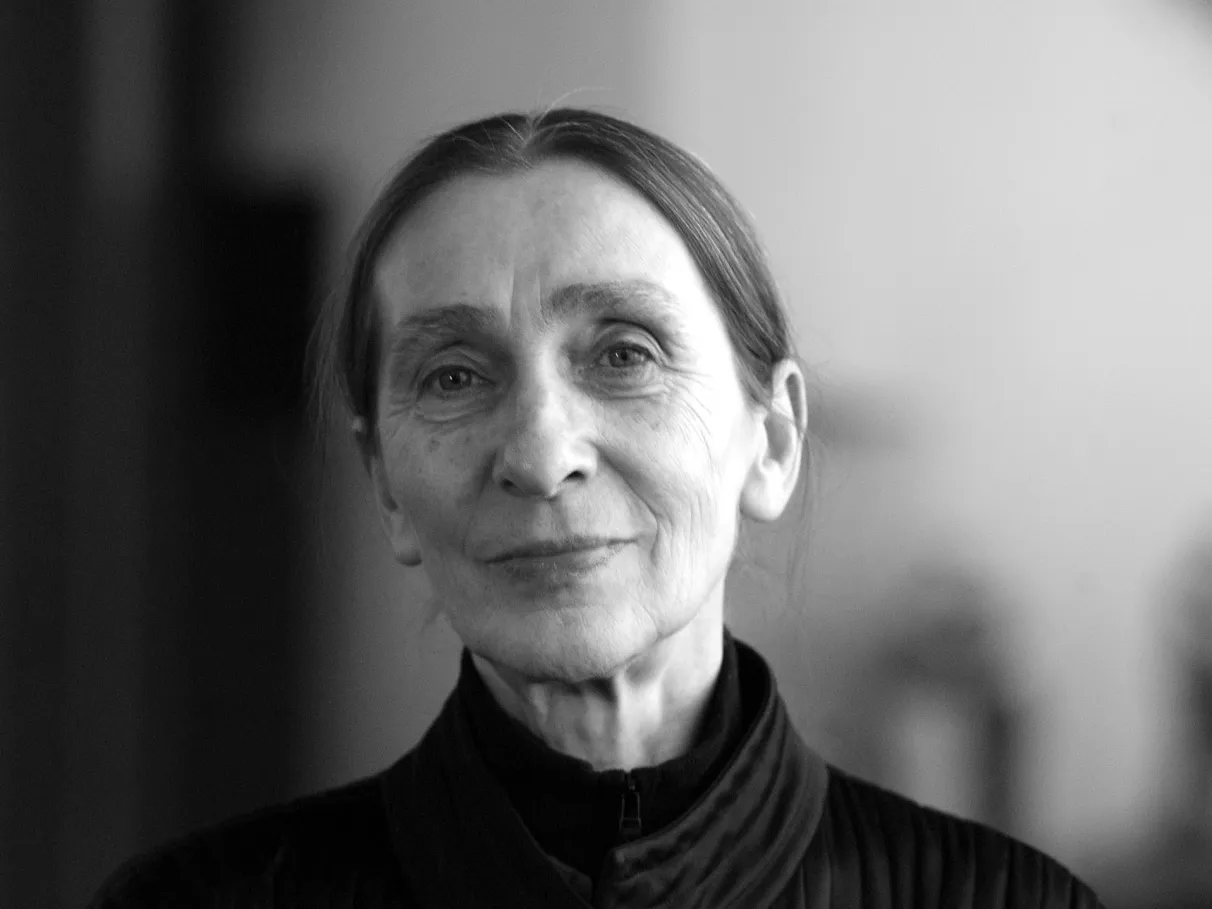
Bausch's trajectory opens up a different perspective on creation on stage. Instead of constructing linear narratives or prioritizing technical virtuosity, his pieces were organized as sequences of moments that reveal tensions, contradictions, and repetitions of human behavior. Costumes, objects, and apparently prosaic situations are moved to a performative context that requires active reading from the public.
The repertoire that Bausch brought to the very long period at the head of his company — from Café Müller The montages like Kontakthof and Vollmond — was received internationally not only as a dance, but as a mode of theatrical experience in which the body is an instrument and a message.
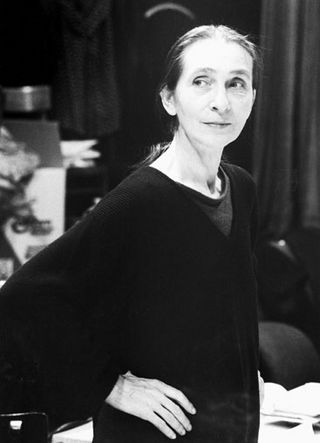
Even after his death in 2009, his influence persists in the way in which contemporary dance constitutes a dialogue with other forms of expression. The company he founded continues to circulate on stages in various geographies, and institutions such as Pina Bausch Foundation keep their repertoire in circulation and in dialogue with new generations of performers and creators.
Bausch's work is not restricted to a historical period: he reformulated the idea of performance as an encounter between body, context, and narrative. Its consequences reverberate in the contemporary languages of art, where movement and meaning coexist in the same texture.