.png)
Uruguayan artist Mauro Cosenza transforms data into imaginary flora with generative art that questions the limits between nature and code.
What happens when the body learns machine language before it learns to write code? For Mauro Cosenza, a multidisciplinary artist based in Montevideo, this question is not a rhetorical one. Trained in circus, physical theater and contemporary dance since 2007, he arrived at TouchDesigner and to Python along the same path that arrived on stage: the need to create systems that respond to movement and human presence in real time.
The exhibition Neo Botany. An Atlas of Artificially Generated Flora, presented at Load Gallery in Barcelona between February and March 2025, was the sharpest point of convergence of this trajectory. With works such as Pelargonium zonale, Etymon and Flowers Hum, Cosenza produced generative art videos that reconstruct plant morphologies based on data reading, visual effects, and sound synthesis. Flora is not an aesthetic reference: it is a pretext to investigate how living, biological or computational systems, share logics of growth, repetition, and transformation.
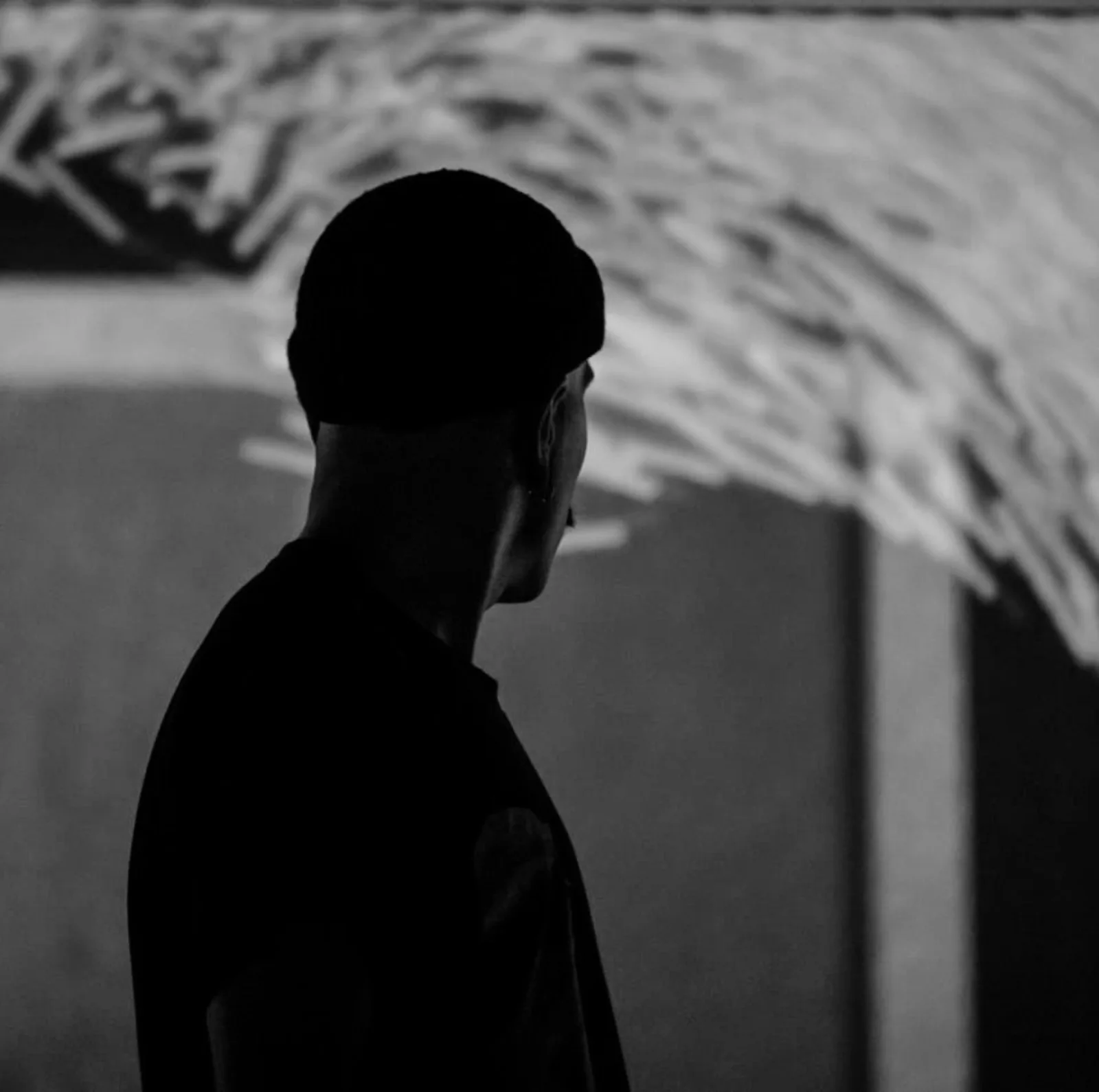
What distinguishes work from Cosenza in the field of digital art it is not the technical mastery, although solid, but the performative layer that remains even when the body leaves the scene. There's a physicality to the systems he builds: interactive sensors, immersive atmospheres, and algorithmically generated trails that behave less like installations and more like organisms. This approach places his production in a unique territory, between the art of new media, the design of experiences and research in motion.

The international trajectory of Cosenza covers over one hundred festivals in America, Europe and Asia. Do SESC International Circus Festival In São Paulo at Intervals Fest in Nizhny Novgorod, passing through Dubai And hair Miyashita Park in Tokyo, what it carries across contexts and geographies is not a format, but a question: how can technology expand, not replace, body intelligence?